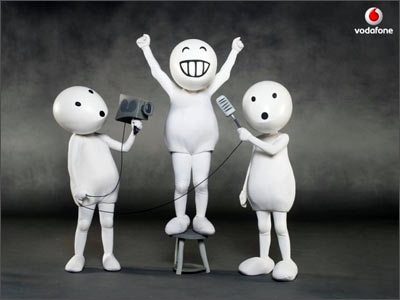
A great TV advertisement does more than promote a product. It captures attention, connects with an audience, and leaves a memorable impression of the brand.
From emotional storytelling and humour to creative product demonstrations, television advertising gives brands an opportunity to communicate their message through visuals, sound, dialogue, and compelling narratives.
Looking at a TV advertisement example can help businesses understand how different creative approaches work, why certain commercials stand out, and how an effective advertisement turns a simple message into a memorable brand experience.
In this blog, we'll explore different types of TV advertisements, notable examples, and the creative elements that make television commercials effective.
What Is a TV Advertisement?
A TV advertisement is a short promotional video broadcast on television to introduce a product, promote a service, build brand awareness, or encourage a specific action.
Unlike static advertising, television commercials combine moving images, music, sound effects, dialogue, and storytelling to communicate a message.
A TV advertisement may focus on:
Introducing a new product or service
Building brand recognition
Communicating product benefits
Creating an emotional connection
Promoting seasonal offers or campaigns
Strengthening brand identity
Encouraging viewers to take action
The format and duration depend on the campaign's objectives, target audience, creative concept, and media requirements.
For brands planning a commercial campaign, understanding television commercial production is an important step in turning an advertising idea into a professionally produced video.
5 TV Advertisement Examples and the Creative Ideas Behind Them
A memorable TV advertisement doesn't always need a complicated storyline or a celebrity endorsement. Sometimes, one relatable moment, an unexpected visual, or a distinctive creative idea is enough to make a brand stand out.
These TV advertisement examples show how different approaches can help brands communicate their message and create a lasting impression.
1. Cadbury Dairy Milk – “Asli Swad Zindagi Ka”
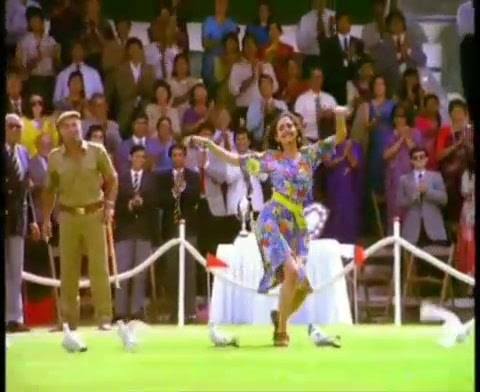
The Concept: A cricket match reaches an exciting moment, and a young woman spontaneously runs onto the pitch to celebrate a winning shot, chocolate in hand.
What Brands Can Learn: The advertisement connects an everyday product with an unplanned moment of happiness. Instead of simply talking about chocolate, it makes the audience feel the occasion. Brands can use a similar approach by building their products into relatable human experiences.
2. Fevicol – The Famous Bus Advertisement

The Concept: A crowded rural bus becomes the setting for an exaggerated visual joke that demonstrates Fevicol's adhesive strength.
What Brands Can Learn: The product benefit becomes the central idea of the advertisement. The humour makes the demonstration entertaining, while the visual reinforces the message. This is a useful approach for brands whose product advantages can be shown rather than explained.
3. AdEtc Studios – CureSight Advertisement

The Concept: AdEtc Studios' CureSight work can be featured here as an example of how a healthcare brand can communicate through a creatively developed advertisement.
What Brands Can Learn: A specialised product or service doesn't have to be presented through technical information alone. The right creative treatment can help make a message easier to understand and more engaging for its intended audience.
For accuracy, add the specific storyline and production details after confirming them against the actual CureSight video or portfolio page.
4. Vodafone – ZooZoo Campaign
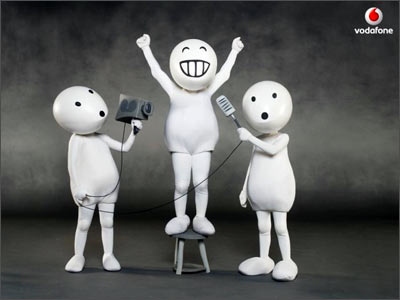
The Concept: Unusual white characters act out short, humorous situations to communicate mobile service features through visual storytelling.
What Brands Can Learn: A distinctive visual identity can make a campaign recognisable even before the brand appears. Businesses can apply this principle by developing consistent characters, visual motifs, or creative styles that audiences associate with their brand.
5. Mentos – “Dimaag Ki Batti Jala De”

The Concept: Everyday problems are turned into exaggerated comic situations, with clever solutions connecting back to the Mentos brand idea.
What Brands Can Learn: Repeating a clear creative premise can make a campaign easier to recognise and remember. The key is to ensure the humour supports the product message rather than becoming the only thing viewers recall.
What Do These TV Advertisement Examples Have in Common?
Although these campaigns use different creative styles, each has a clear central idea. The product benefit, emotional message, humour, or visual identity gives the audience something specific to remember.
For brands planning their own campaigns, the lesson is to start with the message and find a creative way to express it. Professional television commercial production can then translate that idea into a script, visual treatment, filming plan, and finished advertisement.
What Are the Different Types of TV Advertisements?
Not every television commercial needs to follow the same creative approach. The most suitable format depends on the message, audience, product, and campaign objective.
Product-Focused Advertisements
These commercials highlight product features, benefits, design, functionality, or usage.
They are useful when the audience needs to understand what a product does and why it may be relevant to them.
Emotional Advertisements
Emotional commercials use relationships, personal experiences, celebrations, or relatable situations to build a connection with viewers.
The product may appear naturally within the story rather than being the sole focus of every scene.
Humorous Advertisements
Humour can make a commercial entertaining and memorable. It can also help brands communicate complex or ordinary product benefits in a more engaging way.
However, the joke should support the brand message rather than distract from it.
Testimonial Advertisements
These commercials feature customers, professionals, or other relevant individuals sharing experiences or explaining a product's value.
Their effectiveness depends on credibility, clear communication, and how well the testimonial fits the intended audience.
Promotional Advertisements
Promotional commercials communicate offers, launches, discounts, seasonal campaigns, or limited-time announcements.
They generally need a clear message, strong branding, and an easy-to-understand call to action.
Brand Film-Style Advertisements
Some commercials use cinematic visuals and narrative storytelling to communicate a brand's personality, values, or larger purpose.
For inspiration on this approach, explore brand video and visual storytelling and how a narrative can help communicate a brand identity.
What Makes a TV Advertisement Successful?
A memorable advertisement is not simply a visually impressive video. Its creative elements need to work together to communicate a clear message.
A Strong Opening
The first few seconds should give viewers a reason to pay attention. This could be an unexpected visual, a relatable situation, a question, or an intriguing moment.
A Clear Message
Viewers should be able to understand the main idea without having to process too much information.
A commercial that tries to communicate too many benefits at once can weaken its central message.
Relevant Storytelling
The story should reflect the audience's needs, interests, aspirations, or experiences.
When viewers recognise something familiar, they may find the advertisement more engaging.
Memorable Visuals and Sound
Cinematography, lighting, editing, music, dialogue, and sound design influence how an advertisement feels and how its message is communicated.
These elements should support the concept rather than exist simply to make the video look impressive.
Clear Brand Integration
The audience should be able to connect the story with the brand. A memorable narrative has limited advertising value if viewers remember the scene but forget the product or company behind it.
A Purposeful Ending
The closing moments may include a logo, tagline, product shot, offer, or call to action.
The ending should reinforce the central idea and leave viewers with a clear brand impression.
How Is a TV Advertisement Produced?
Behind every finished television commercial is a production process that turns the creative concept into a final video.
1. Brief and Research
The team identifies the campaign objective, target audience, product benefits, key message, budget, and distribution requirements.
2. Concept Development
Creative ideas are developed around the brief. The team evaluates different storytelling approaches and selects a concept that fits the brand and campaign.
3. Scriptwriting and Storyboarding
The concept is translated into a script, followed by a storyboard or shot list where required. This helps establish the sequence of scenes, dialogue, visuals, and transitions.
4. Pre-Production
Casting, location selection, production design, crew coordination, schedules, equipment, and logistics are organised before filming begins.
5. Filming
The director and production crew capture the footage, working with the performers, camera team, lighting, and sound departments to bring the concept to life.
6. Post-Production
The footage is edited and refined through colour grading, sound design, music, graphics, and other finishing elements required by the project.
7. Final Delivery
The finished commercial is prepared according to the technical specifications of the intended broadcaster or platform.
Understanding the TVC format and production process can help brands plan commercial duration, script structure, and production requirements before a shoot begins.
How Long Should a TV Advertisement Be?
The appropriate duration depends on how much information the advertisement needs to communicate and where it will be shown.
Common commercial durations include:
10 seconds: Short messages, reminders, and product highlights.
15 seconds: Concise promotional messages and campaign cutdowns.
20 seconds: A little more room for a product benefit or short narrative.
30 seconds: Space for a more developed story, demonstration, or brand message.
60 seconds: Longer storytelling for campaigns that require additional context.
These are common formats, not universal requirements. Broadcaster specifications, campaign objectives, and creative needs should determine the final duration.
The goal is to give the idea enough time to work without including unnecessary scenes or dialogue.
How TV Advertisements Are Expanding Beyond Television
Modern advertising campaigns often extend beyond traditional television broadcasts.
A commercial may also be adapted for YouTube, connected TV, social media, digital advertising, and other online platforms.
Depending on the campaign, these versions may require different durations, aspect ratios, opening sequences, subtitles, or calls to action.
This approach allows brands to build a broader content campaign around a central creative idea.
Businesses planning campaigns across multiple digital channels can explore digital video commercial production to understand how commercial content can be developed for different viewing environments.
How to Choose the Right Production Partner for a TV Advertisement
Choosing a production partner involves more than comparing equipment or looking at a showreel.
Brands should consider:
Creative understanding: Does the team understand the target audience and campaign objective?
Relevant experience: Has the team worked on similar commercial formats or creative concepts?
Production capability: Can it manage scripting, pre-production, filming, and post-production?
Communication: Is the team clear about timelines, budgets, deliverables, and revisions?
Technical delivery: Can it prepare the required versions according to broadcaster and platform specifications?
An experienced production team can help identify the most suitable approach, develop a practical shoot plan, and maintain consistency between the original idea and the finished commercial.
Brands looking for a production partner can explore ad film makers in Ahmedabad for more information about commercial filmmaking services.
Final Thoughts
A good TV advertisement combines a clear message with a creative idea that captures attention and stays with the audience.
Whether a brand uses humour, emotional storytelling, product demonstrations, or cinematic visuals, the strongest approach is one that connects the creative execution with the campaign objective.
Studying a TV advertisement example can provide inspiration, but the real opportunity lies in understanding why the concept works and how similar principles can be applied to a different brand, audience, or product.
At AdEtc Studios, we bring together creative development, production, and post-production to help brands turn advertising ideas into compelling visual content.
Planning a TV advertisement for your brand? Connect with AdEtc Studios to discuss your next commercial production.
Frequently asked questions
What Is a TV Advertisement Example?
A TV advertisement example shows how brands use storytelling, visuals, or humour to promote products and services
What makes a TV advertisement successful?
A strong concept, clear messaging, engaging visuals, and memorable branding help make a TV advertisement effective.
What are the different types of TV advertisements?
Common types include product commercials, emotional ads, humorous advertisements, testimonials, and promotional campaigns.
How long is a TV advertisement?
TV advertisements commonly run for 10, 15, 20, 30, or 60 seconds, depending on the campaign.
How much does TV advertisement production cost?
Costs depend on the concept, cast, locations, equipment, shoot duration, and editing requirements.
Can TV advertisements be used on digital platforms?
Yes. TV commercials can be adapted for YouTube, connected TV, and social media.